The LED Screen Display Guide for Professional Environments outlines essential considerations for selecting and implementing LED technology in corporate settings led panel. It addresses various display types, focusing on resolution and brightness as vital factors for effective visual communication. The guide also examines installation practices and the integration of innovative technologies. Understanding these elements is fundamental for maximizing audience engagement. As the landscape of LED displays evolves, further insights into future trends will prove invaluable.
Understanding LED Technology
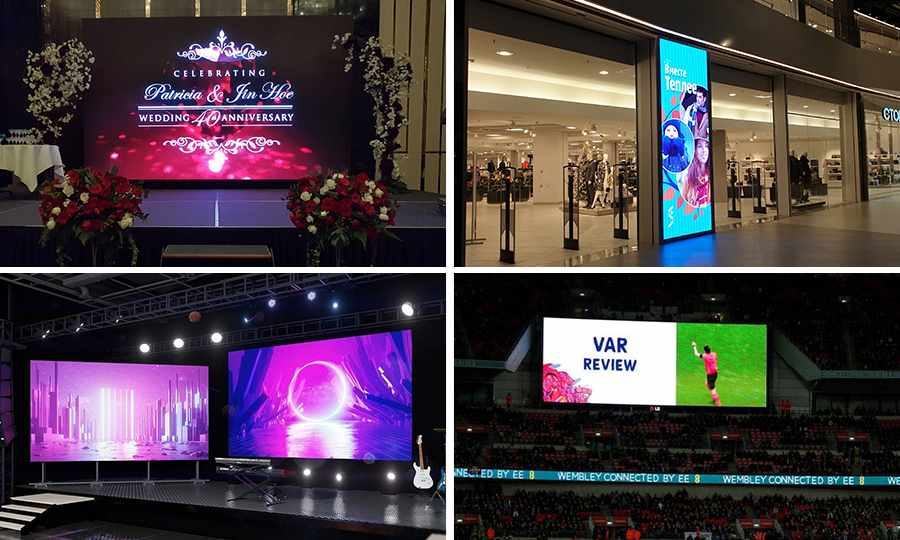
LED technology, which stands for Light Emitting Diode, has revolutionized the way visual content is displayed across various platforms.
The fundamentals of LED displays involve the use of semiconductor materials that emit light when an electric current passes through them. This technology provides high brightness, energy efficiency, and a wide color gamut, making it suitable for both indoor and outdoor applications.
Recent advancements in LED technology have led to improved pixel density, enabling sharper images and enhanced viewing experiences.
Additionally, innovations such as flexible displays and transparent LED panels are expanding the possibilities for creative installations.
Understanding these fundamentals and advancements is essential for professionals aiming to leverage LED technology in diverse environments, maximizing visual impact while embracing the freedom of design.
Types of LED Displays
Various types of LED displays cater to different applications and environments, each designed with specific characteristics to optimize performance.
Indoor displays are typically utilized in environments such as conference rooms and retail spaces, providing high resolution and brightness.
Outdoor displays, built to withstand weather conditions, are ideal for advertising boards and sports displays, offering durability and visibility.
Flexible screens enable creative installations, adapting to various shapes and surfaces.
Transparent displays are increasingly popular for retail and exhibitions, allowing visibility behind the screen while showcasing content.
Interactive panels enhance user engagement, making them suitable for digital signage in educational and commercial settings.
Each type of LED display serves unique functions, fulfilling diverse professional needs effectively.
Key Features to Consider
When selecting an LED screen display, resolution and clarity are critical factors that determine the sharpness of the image presented.
Additionally, brightness and visibility play a significant role in ensuring ideal performance in various lighting conditions.
Evaluating these key features is essential for achieving the desired visual impact and user experience.
Resolution and Clarity
Understanding the resolution and clarity of an LED screen is important, as these factors greatly influence the visual experience.
The resolution, defined by the number of pixels displayed, determines the screen’s ability to render detailed images. Higher pixel density results in increased image sharpness, allowing for finer details to emerge, which is particularly essential in professional environments where precision is paramount.
For instance, a screen with 4K resolution provides a significant advantage over lower resolutions, as it boasts four times the pixel count.
Additionally, clarity is not solely dependent on resolution; factors such as viewing distance and screen size also play a significant role.
Ultimately, selecting an LED display with ideal resolution and clarity guarantees a superior visual experience tailored to diverse professional applications.
Brightness and Visibility
Following the considerations of resolution and clarity, brightness and visibility emerge as vital factors in evaluating LED screens.
Brightness levels, typically measured in nits, dictate how well an LED display performs in various lighting conditions. For outdoor visibility, higher brightness levels are necessary to combat ambient light, guaranteeing that content remains legible and engaging. Displays intended for outdoor use should ideally reach at least 5,000 nits, while those for indoor applications can function effectively at lower levels.
Additionally, the uniformity of brightness across the screen is essential for maintaining visual consistency. When selecting an LED screen, professionals must assess both brightness capabilities and visibility to assure peak performance in diverse professional environments.
Importance of Resolution and Brightness
High resolution and optimal brightness are critical factors in determining the effectiveness of LED screen displays. The pixel density, defined as the number of pixels per inch, directly influences image clarity and detail, especially at varying viewing distances. A higher pixel density allows for finer detail, making it essential for applications requiring precision, such as in control rooms or broadcast environments.
Additionally, brightness plays a pivotal role in ensuring visibility in diverse lighting conditions. Displays with ideal brightness levels enhance legibility and color accuracy, contributing to a more engaging viewer experience.
Consequently, selecting an LED display with appropriate resolution and brightness parameters is integral to achieving the desired performance and visual impact in professional settings.
Installation Options and Considerations
The installation of LED screen displays involves multiple considerations, including various mounting types, effective cable management solutions, and the impact of environmental factors.
Each mounting option, whether wall-mounted, ceiling-hung, or freestanding, presents unique advantages and constraints.
Additionally, addressing cable management and environmental conditions is essential for ensuring ideal performance and longevity of the display.
Mounting Types Overview
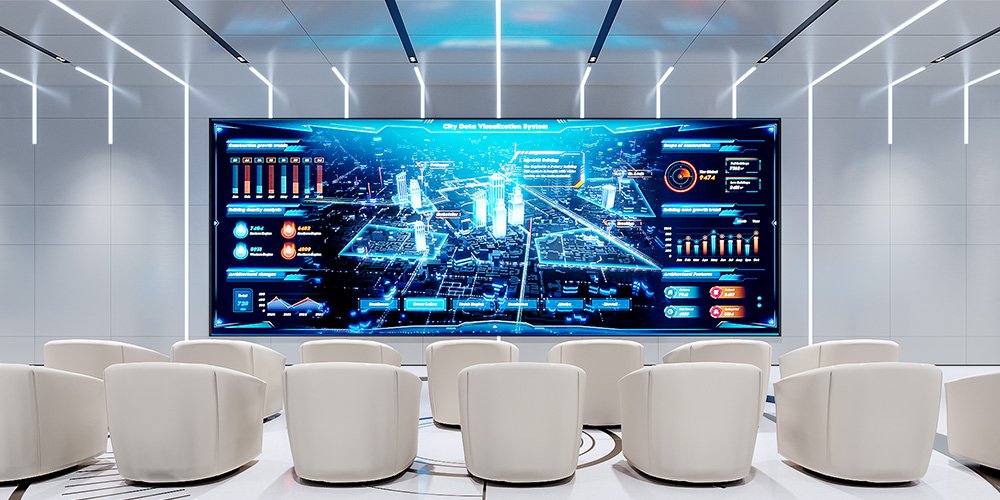
Mounting types for LED screen displays play a critical role in determining installation efficiency and visual performance. Various mounting options, such as wall mounts, ceiling mounts, and floor stands, cater to different spatial requirements and design preferences.
Each option requires specific installation techniques to guarantee stability and ideal viewing angles. Wall mounts are ideal for maximizing floor space, while ceiling mounts are suitable for high-visibility applications in large venues. Floor stands offer flexibility, allowing for easy relocation.
Selecting the appropriate mounting type not only affects aesthetic appeal but also influences maintenance accessibility and screen longevity. Consequently, understanding the nuances of different mounting options is essential for achieving a successful LED display installation in professional environments.
Cable Management Solutions
Effective cable management solutions are integral to maintaining the functionality and aesthetics of LED screen displays. Proper cable organization guarantees that all connections remain secure and operational, while also enhancing the overall appearance of the installation.
Various installation options exist, including raceways, cable trays, and conduits, which facilitate efficient wire concealment. Each of these options can be tailored to suit specific environments, guaranteeing a seamless integration of technology.
Additionally, the use of cable ties and Velcro straps can help bundle cables effectively, minimizing clutter. Consideration of accessibility is essential for maintenance, allowing for easy access to connections when necessary.
Ultimately, a well-executed cable management strategy not only preserves visual appeal but also contributes to the longevity and performance of LED screen displays.
Environmental Factors Impact
When considering the installation of LED screen displays, environmental factors play an important role in determining the most suitable options and strategies.
The environmental impact of these installations must be assessed, particularly regarding their location and exposure to elements. Displays intended for outdoor use require enhanced weather resistance to withstand harsh conditions, including rain, wind, and extreme temperatures.
Selecting appropriate materials and protective casings is vital for maintaining functionality and longevity. Additionally, considerations such as sunlight exposure can affect visibility and screen performance, necessitating specific mounting options or protective coatings.
Maintenance and Care for LED Displays
Proper maintenance and care are essential for ensuring the longevity and best performance of LED displays. Regular cleaning techniques, such as using microfiber cloths and specialized screen cleaners, help prevent dust accumulation and maintain optimal visibility.
It is critical to avoid abrasive materials that can damage the screen surface. Additionally, routine inspections for loose connections and signs of wear can preemptively address potential issues.
Troubleshooting issues promptly is essential; operators should be trained to recognize common problems, such as color inconsistencies or flickering, and apply appropriate corrective measures.
Implementing a structured maintenance schedule not only enhances the display’s functionality but also extends its operational lifespan, ensuring a reliable investment in professional environments.
Enhancing Communication With LED Screens
How can organizations leverage LED screens to maximize communication effectiveness?
By utilizing high-resolution displays, organizations can enhance audience engagement through visually striking content that captures attention. The dynamic capabilities of LED screens allow for the real-time updating of information, ensuring message clarity and relevance.
This adaptability supports diverse communication needs, from corporate messaging to event promotions. Through strategic placement, LED screens can facilitate seamless information dissemination in high-traffic areas, further enhancing visibility and retention.
Additionally, integrating interactive features such as touchscreens can foster direct engagement, allowing audiences to actively participate in the communication process.
Ultimately, the effective use of LED screens serves to reinforce key messages, resulting in improved understanding and stronger connections between the organization and its audience.
Creating Immersive Experiences
Leveraging the dynamic capabilities of LED screens extends beyond effective communication; it also opens avenues for creating immersive experiences that engage audiences on a deeper level.
By harnessing high-resolution displays, professionals can craft immersive storytelling that captivates viewers, blending visuals, sound, and interactivity. This integration allows for a multisensory approach that fosters audience engagement, transforming passive observers into active participants.
Additionally, LED screens enable the seamless layering of content, facilitating complex narratives that evolve in real-time. Environments such as museums, corporate events, and live performances benefit greatly from these technologies, offering tailored experiences that resonate with diverse audiences.
Ultimately, the strategic use of LED screens empowers organizations to push creative boundaries, delivering unforgettable experiences that leave lasting impressions.
Cost Factors and Budgeting
Cost factors associated with LED screen displays encompass both initial investment considerations and ongoing maintenance expenses.
The upfront costs include purchasing the display unit, installation, and any necessary infrastructure modifications.
Additionally, budgeting must account for recurring maintenance, which can impact the overall long-term financial commitment to the technology.
Initial Investment Considerations
When considering the initial investment for LED screen displays, it is essential to evaluate multiple cost factors that can greatly influence overall budgeting.
A thorough budget analysis should include not only the purchase price of the displays but also installation costs, necessary infrastructure upgrades, and any required technology integration.
Additionally, the choice of display resolution, size, and technology type—such as indoor versus outdoor—can markedly impact the initial expenditure.
Companies must also assess the potential return on investment (ROI), factoring in how the displays will enhance communication, advertising, or branding efforts.
Ongoing Maintenance Expenses
Although initial investment costs are critical, ongoing maintenance expenses for LED screen displays are equally important to take into account for effective budgeting.
These expenses primarily include ongoing repairs and the costs associated with regular check-ups, which are essential to guarantee the longevity and peak performance of the displays. Regular inspections help identify potential issues before they escalate, reducing the risk of costly emergency repairs.
Additionally, costs may arise from software updates and component replacements, particularly for aging units. Facility managers should allocate sufficient resources to cover these ongoing expenses, guaranteeing the displays remain in top condition while maximizing their operational effectiveness.
Proper budgeting for maintenance fosters a reliable and visually appealing environment, ultimately enhancing the user experience.
Future Trends in LED Display Technology
Emerging innovations in LED display technology are set to redefine visual experiences across various industries. The integration of smart technology is advancing the capabilities of LED screens, enabling seamless connectivity and enhanced interactivity.
This evolution supports the implementation of augmented reality applications, allowing users to engage with digital content in more immersive ways. In addition, advancements in pixel density and energy efficiency are paving the way for higher-quality displays that require less power, thereby reducing operational costs.
As these technologies continue to converge, professionals can expect more dynamic and adaptable solutions tailored to specific environments. The future of LED displays promises to enhance communication, engagement, and aesthetic appeal, ultimately transforming how information is presented and consumed.
Conclusion
In summary, the adoption of LED screens in professional environments is pivotal for enhancing communication and audience engagement. By understanding the various types of displays, key features, and installation considerations, organizations can strategically implement these technologies to create immersive experiences. Emphasizing high resolution and brightness guarantees ideal visual clarity, while attention to future trends can further enhance the effectiveness of LED displays. Ultimately, a well-planned approach to LED technology can drive impactful interactions in corporate settings.
